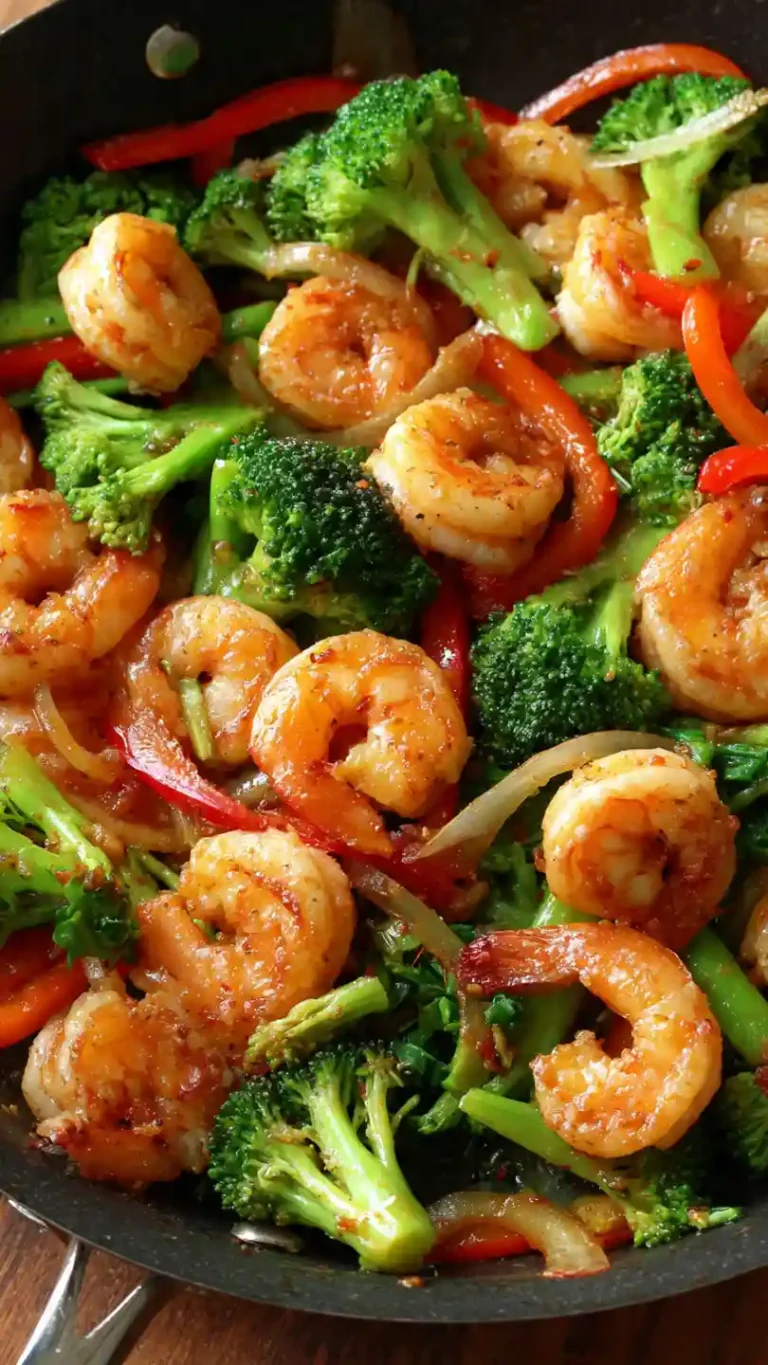
Shrimp Scampi

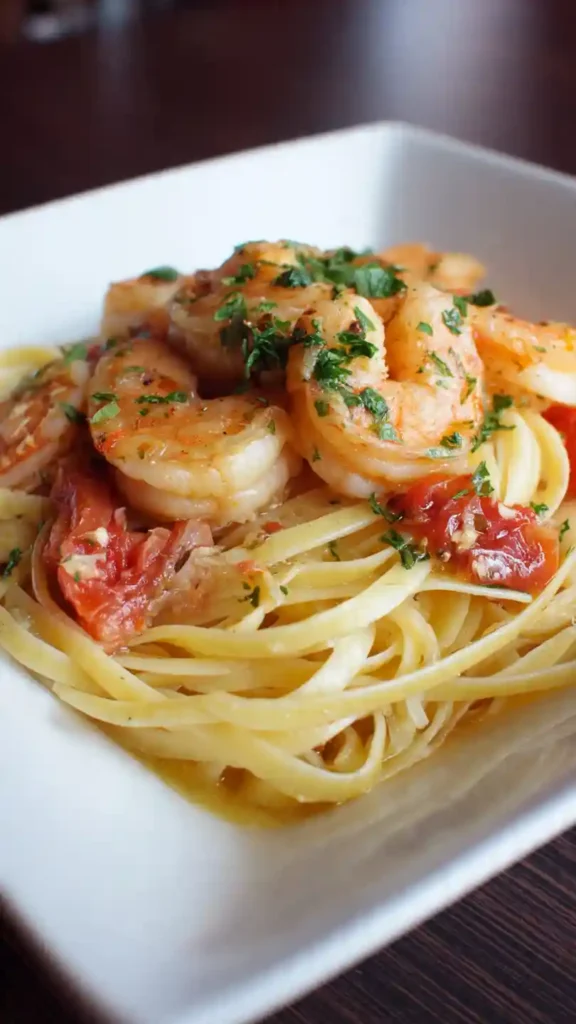
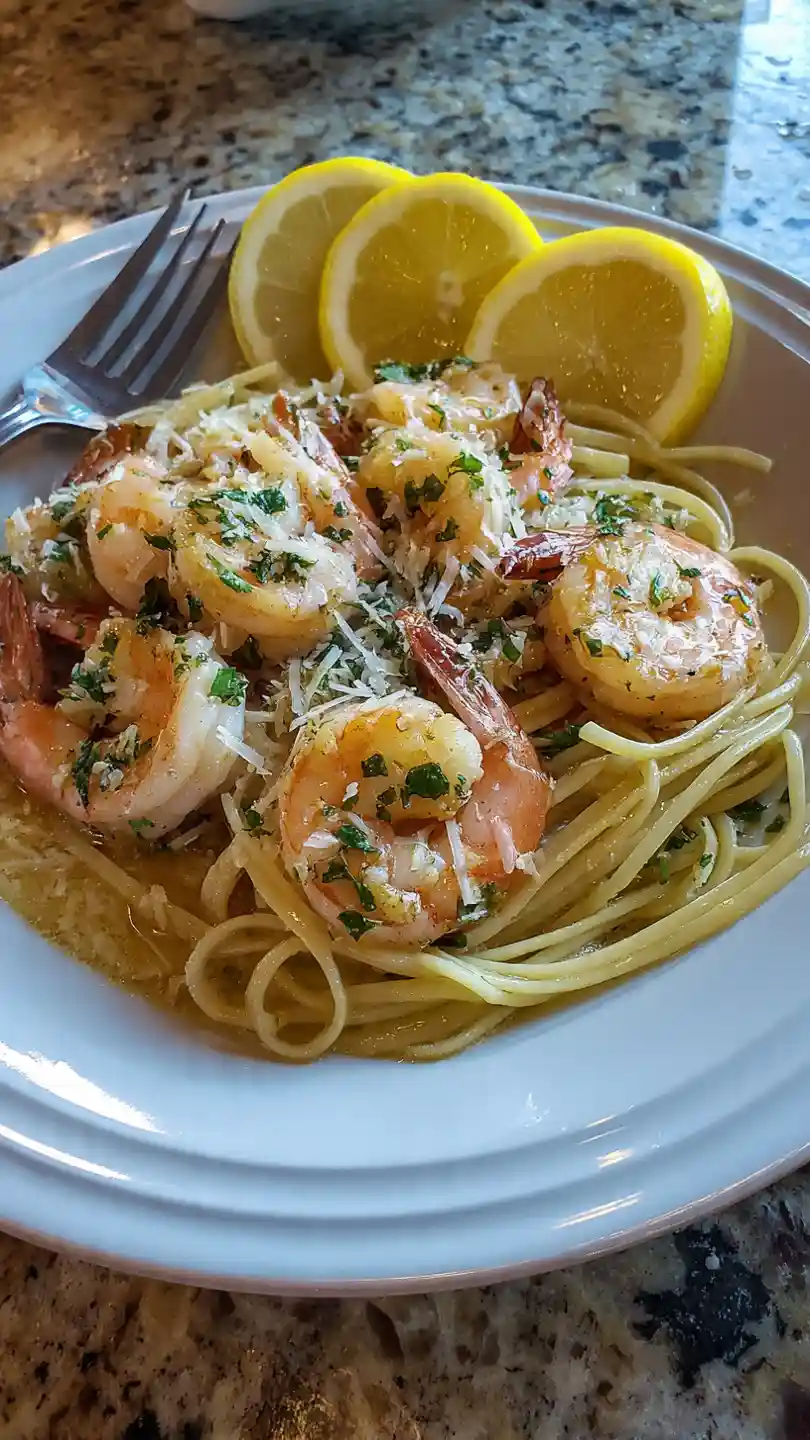
Shrimp scampi is a quick seafood dinner made with juicy shrimp, garlic, butter, olive oil, lemon, white wine, and pasta. It tastes fresh and rich at the same time, which is why it feels special even though it cooks fast.
This recipe is perfect for busy weeknights, date-night dinners at home, seafood lovers, and anyone who wants a restaurant-style pasta without a heavy cream sauce. The sauce is light, glossy, garlicky, and bright enough to coat the pasta without weighing it down.
The key is cooking the shrimp quickly and removing it before the sauce finishes. Shrimp can turn rubbery if it simmers too long, so the best method is to sear it briefly, build the sauce, then toss everything together at the end.
What This Recipe Tastes Like
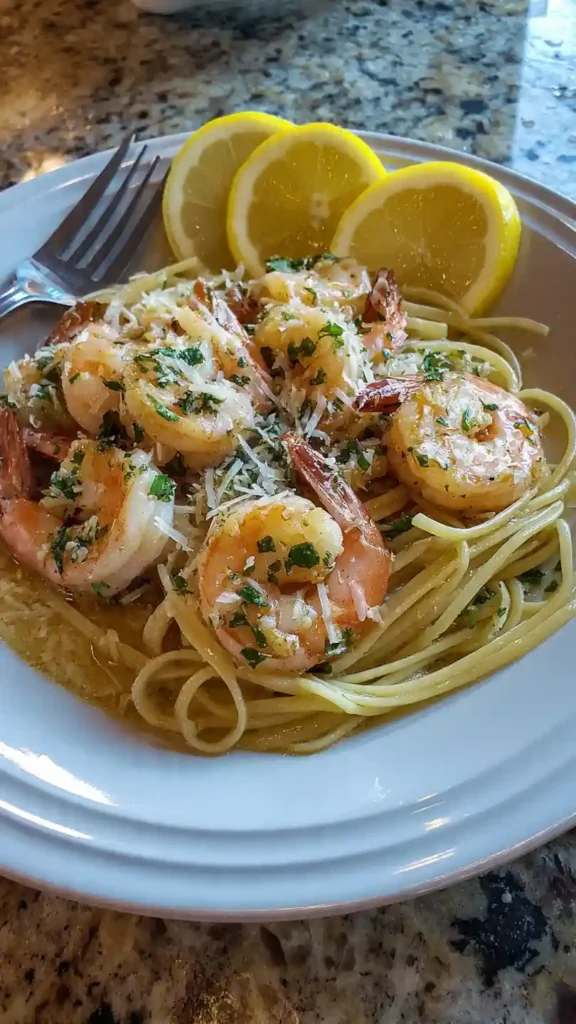
Shrimp scampi tastes buttery, garlicky, lemony, and lightly savory from the white wine and pasta water. The shrimp adds a sweet seafood flavor, while the lemon keeps the butter sauce from tasting too heavy.
The sauce should be glossy and loose, not thick like Alfredo. It lightly coats the pasta and shrimp with garlic, lemon, butter, and a little heat if you add red pepper flakes.
The shrimp should be tender and firm with a clean bite. The pasta should be silky from the sauce, with parsley and lemon zest adding a fresh finish.
Why You’ll Love This Recipe
- Fast dinner recipe that comes together in about 25 minutes.
- Restaurant-style flavor without complicated ingredients.
- Light but satisfying sauce made with garlic, butter, lemon, wine, and pasta water.
- Great for seafood lovers because shrimp is the main focus.
- Flexible serving options with pasta, rice, bread, vegetables, or zucchini noodles.
- Beginner-friendly method with clear shrimp doneness cues.
- Easy to adjust with more lemon, spice, herbs, or extra vegetables.
Best Occasions to Serve This
Shrimp scampi is perfect for weeknight dinners when you want something fast but polished. It also works well for date-night meals because it feels a little elegant without taking much time.
Serve it for family pasta night, casual entertaining, warm-weather dinners, or seafood-focused meals. It is also a good option when you want pasta but do not want a heavy tomato or cream sauce.
This recipe is best served fresh because shrimp has the best texture right after cooking. If you want to prep ahead, prepare the ingredients in advance and cook everything right before serving.
Kitchen Equipment You’ll Need
Large pot – Needed for boiling pasta with enough water so it cooks evenly.
Large skillet – Gives the shrimp room to cook quickly and the sauce enough space to reduce slightly.
Tongs – Helpful for tossing pasta with the sauce.
Sharp knife – Needed for mincing garlic, chopping parsley, and slicing lemon.
Cutting board – Keeps prep organized.
Microplane or zester – Helpful for lemon zest and fresh Parmesan if serving with it.
Measuring cups and spoons – Keeps the sauce balanced.
Paper towels – Important for drying shrimp before cooking.
Ingredient Notes Before You Cook
Large shrimp are best for shrimp scampi because they stay juicy and are easier to cook without overcooking. Peeled and deveined shrimp make the dish easier to eat. Tail-on shrimp looks nice, but tail-off shrimp is more practical with pasta.
Fresh garlic is essential. Slice or mince it finely so it flavors the butter and oil quickly. Do not let the garlic turn dark brown, because burned garlic can make the whole sauce bitter.
Butter gives scampi its rich flavor, while olive oil helps keep the butter from browning too fast. Using both gives the sauce a better balance.
Dry white wine adds acidity and depth. Sauvignon Blanc, Pinot Grigio, or an unoaked Chardonnay can work. If you do not cook with wine, use low-sodium chicken broth or seafood broth with a little extra lemon juice.
Fresh lemon juice and lemon zest are better than bottled lemon juice. The zest adds lemon aroma without making the sauce too sharp.
Linguine or spaghetti works well because long pasta catches the light sauce. Angel hair cooks quickly and also works, but it can overcook fast. Short pasta like penne can be used if that is what you have.
Reserved pasta water helps the sauce cling to the pasta. The starch makes the butter-wine sauce smoother and prevents it from feeling oily.
Step-by-Step Cooking Instructions
1. Cook the pasta
Bring a large pot of salted water to a boil. Add the pasta and cook until al dente according to the package directions.
Before draining, reserve at least 1 cup of pasta water. You may not need all of it, but it is important for loosening and finishing the sauce.
2. Dry and season the shrimp
Pat the shrimp dry with paper towels. Dry shrimp cooks better and keeps the sauce from turning watery.
Season lightly with salt and black pepper. Go easy on the salt because pasta water and butter can add more seasoning later.
3. Sear the shrimp quickly
Heat olive oil and a little butter in a large skillet over medium-high heat. Add the shrimp in a single layer.
Cook for about 1 to 2 minutes per side, just until the shrimp turns pink, pearly or white, opaque, and firm. Transfer the shrimp to a plate before it overcooks.
4. Cook the garlic gently
Lower the heat to medium. Add more butter to the skillet, then add the garlic and red pepper flakes if using.
Stir for about 30 seconds, just until fragrant. Garlic should smell warm and savory, not burnt.
5. Add wine and reduce slightly
Pour in the white wine and scrape up any flavorful bits from the bottom of the pan. Let it simmer for 2 to 3 minutes so the sharp alcohol edge cooks off and the flavor concentrates.
If using broth instead of wine, simmer it the same way with a little extra lemon juice.
6. Add lemon and pasta water
Add lemon juice, lemon zest, and a splash of reserved pasta water. Stir until the sauce looks slightly glossy.
Do not add all the pasta water at once. Start small, then add more as needed when tossing the pasta.
7. Toss in the pasta
Add the drained pasta to the skillet and toss it in the sauce. Let it cook for about 1 minute so the pasta absorbs some flavor.
If the pasta looks dry, add more reserved pasta water a little at a time. The sauce should coat the noodles lightly.
8. Return the shrimp
Add the cooked shrimp back to the skillet and toss gently. Keep this step brief so the shrimp does not become rubbery.
The shrimp only needs to warm through and get coated in the garlic lemon butter sauce.
9. Finish with parsley
Turn off the heat and add chopped parsley. Taste and adjust with more lemon juice, black pepper, or a small pinch of salt if needed.
Serve right away while the sauce is glossy and the shrimp is tender.
Pro Tips for Best Results
- Use large shrimp. They are easier to cook evenly and less likely to overcook instantly.
- Pat shrimp dry. Wet shrimp releases liquid and waters down the sauce.
- Cook shrimp separately. Removing shrimp before finishing the sauce keeps it tender.
- Do not burn the garlic. Garlic should cook briefly and stay pale golden.
- Use dry white wine. Sweet wine can make the sauce taste off-balance.
- Save pasta water. It helps the sauce cling to the noodles.
- Toss pasta in the sauce. Do not just pour sauce on top; tossing helps every strand get coated.
- Serve immediately. Shrimp scampi tastes best fresh from the skillet.
Common Mistakes to Avoid
Overcooking the shrimp
Shrimp cooks very quickly. Once it turns opaque and firm, remove it from the pan. Leaving it in the sauce too long can make it rubbery.
Using too much lemon juice
Lemon should brighten the dish, not overpower it. Use zest for extra lemon flavor without making the sauce sour.
Forgetting to reserve pasta water
Pasta water helps bring the sauce together. Without it, the butter and wine can feel thin or oily on the noodles.
Boiling the sauce too long after adding shrimp
The sauce can simmer before the shrimp returns, but once shrimp is back in the pan, keep the heat gentle and brief.
Using sweet wine
Shrimp scampi needs a dry wine. Sweet wine can make the garlic butter sauce taste strange and heavy.
Adding garlic to a pan that is too hot
Garlic burns fast, especially after shrimp has been seared. Lower the heat before adding it.
Variations & Substitutions
Shrimp Scampi Without Wine
Use low-sodium chicken broth or seafood broth instead of wine. Add a little extra lemon juice at the end to replace some of the brightness.
Creamy Shrimp Scampi
Add a splash of heavy cream after the wine reduces. Keep the heat low and simmer gently so the sauce stays smooth.
Spicy Shrimp Scampi
Add extra red pepper flakes, Calabrian chili paste, or a pinch of cayenne to the garlic butter.
Low-Carb Shrimp Scampi
Serve the shrimp and sauce over zucchini noodles, spaghetti squash, cauliflower rice, or sautéed spinach instead of pasta.
Gluten-Free Shrimp Scampi
Use gluten-free pasta and check that your broth and seasonings are gluten-free.
Extra Vegetable Scampi
Add spinach, asparagus, cherry tomatoes, zucchini, or broccoli. Cook the vegetables before adding the pasta and shrimp back to the skillet.
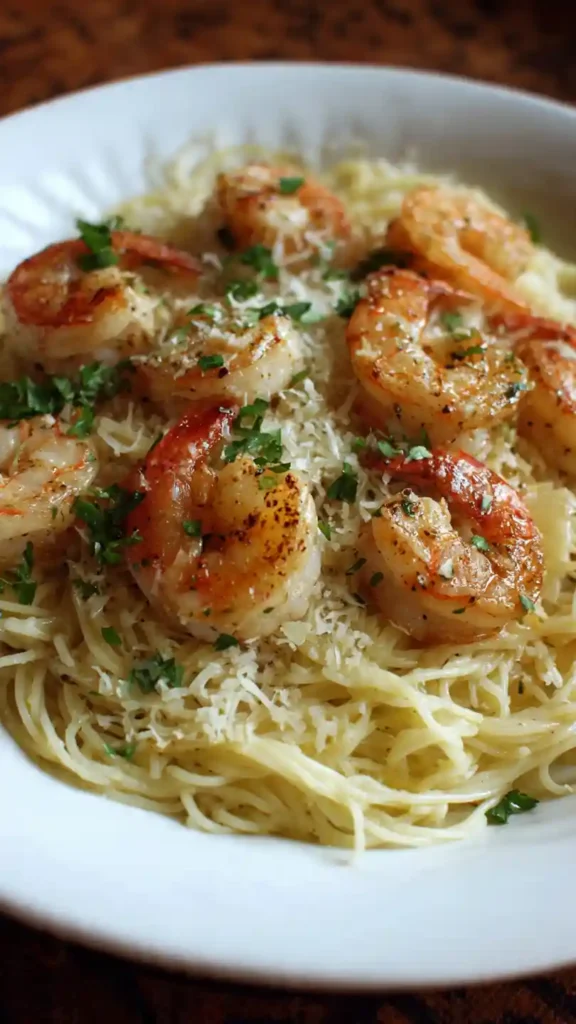
Shrimp Scampi with Parmesan
Traditional scampi does not need cheese, but a small amount of freshly grated Parmesan can be added at the end if you like a richer finish.
What to Serve With This Recipe
Garlic bread – Perfect for soaking up the lemon butter sauce.
Caesar salad – Crisp, creamy, and a good contrast to the garlicky pasta.
Roasted asparagus – Light, fresh, and excellent with lemon.
Steamed broccoli – Simple and useful for adding vegetables to the meal.
Cucumber tomato salad – Bright and refreshing next to the buttery sauce.
Zucchini noodles – A low-carb option for serving scampi without pasta.
White rice – Good if you want the scampi sauce without noodles.
Roasted green beans – Crisp-tender and easy to pair with seafood.
Storage, Freezing & Reheating Tips
Store leftover shrimp scampi in an airtight container in the refrigerator for up to 3 days. If possible, store extra sauce with the pasta and shrimp so it does not dry out.
Freezing is not ideal because cooked shrimp can become firm and pasta can soften after thawing. If you freeze it, use a freezer-safe container and freeze for up to 2 months, but expect the texture to change.
Reheat gently in a skillet over low heat with a splash of water, broth, or pasta water. Stir just until warmed through.
Microwaving works in a hurry, but use short intervals and low power. Overheating can make the shrimp rubbery and the pasta dry.
This recipe tastes best fresh, so only reheat the portion you plan to eat.
Make-Ahead Tips
You can peel and devein the shrimp ahead of time if needed. Keep it covered in the refrigerator and pat it dry before cooking.
You can mince the garlic, zest and juice the lemon, chop parsley, and measure the wine or broth a few hours ahead.
The pasta is best cooked fresh, but you can boil it slightly under al dente if you plan to toss it with the sauce later.
Do not cook the shrimp too far ahead if you want the best texture. Shrimp scampi is quick, so the best make-ahead approach is prepping ingredients rather than cooking the full dish early.
FAQs
What is shrimp scampi sauce made of?
Shrimp scampi sauce is usually made with butter, olive oil, garlic, white wine, lemon juice, lemon zest, parsley, and sometimes red pepper flakes. Pasta water is often added to help the sauce cling to the noodles.
Can I make shrimp scampi without wine?
Yes, you can make shrimp scampi without wine by using low-sodium chicken broth or seafood broth. Add a little extra lemon juice at the end so the sauce still tastes bright and balanced.
What pasta is best for shrimp scampi?
Linguine and spaghetti are classic because long noodles catch the garlic butter sauce well. Angel hair also works, but it cooks quickly. Short pasta like penne or rotini can be used if you prefer easier serving.
How do I keep shrimp scampi from getting watery?
Pat the shrimp dry before cooking, avoid overcrowding the skillet, and reduce the wine or broth before adding pasta. Reserved pasta water should be added gradually so the sauce stays glossy, not thin.
How do I know when shrimp scampi is done?
The shrimp is done when it turns pearly or white, opaque, and firm. It should curl into a loose C shape, not a tight O shape. Remove it from the heat as soon as it is cooked so it stays tender.
More diner recipes:-
Shrimp Scampi
Ingredients
Method
- Bring a large pot of salted water to a boil. Cook pasta until al dente according to package directions.
- Reserve 1 cup pasta water, then drain the pasta.
- Pat shrimp dry with paper towels.
- Season shrimp with 1/2 teaspoon salt and black pepper.
- Heat olive oil and 1 tablespoon butter in a large skillet over medium-high heat.
- Add shrimp in a single layer and cook for 1 to 2 minutes per side, until pearly or white, opaque, and firm.
- Transfer shrimp to a plate.
- Reduce heat to medium. Add remaining 4 tablespoons butter to the skillet.
- Add garlic and red pepper flakes if using. Cook for about 30 seconds, stirring constantly.
- Add white wine or broth. Simmer for 2 to 3 minutes, scraping up any browned bits from the skillet.
- Stir in lemon juice, lemon zest, remaining 1/2 teaspoon salt, and 1/2 cup reserved pasta water.
- Add drained pasta and toss until lightly coated.
- Return shrimp to the skillet and toss gently until warmed through.
- Add more pasta water if needed to loosen the sauce.
- Stir in parsley and serve warm with lemon wedges.
Notes
- Pat shrimp dry before cooking so the sauce does not become watery.
- Do not overcook shrimp; remove it once opaque and firm.
- Use dry white wine, not sweet wine.
- Chicken broth or seafood broth can replace wine.
- Add pasta water gradually until the sauce coats the noodles.
- Serve immediately for the best shrimp texture.
Protein: 42g
Fat: 22g
Carbs: 51g