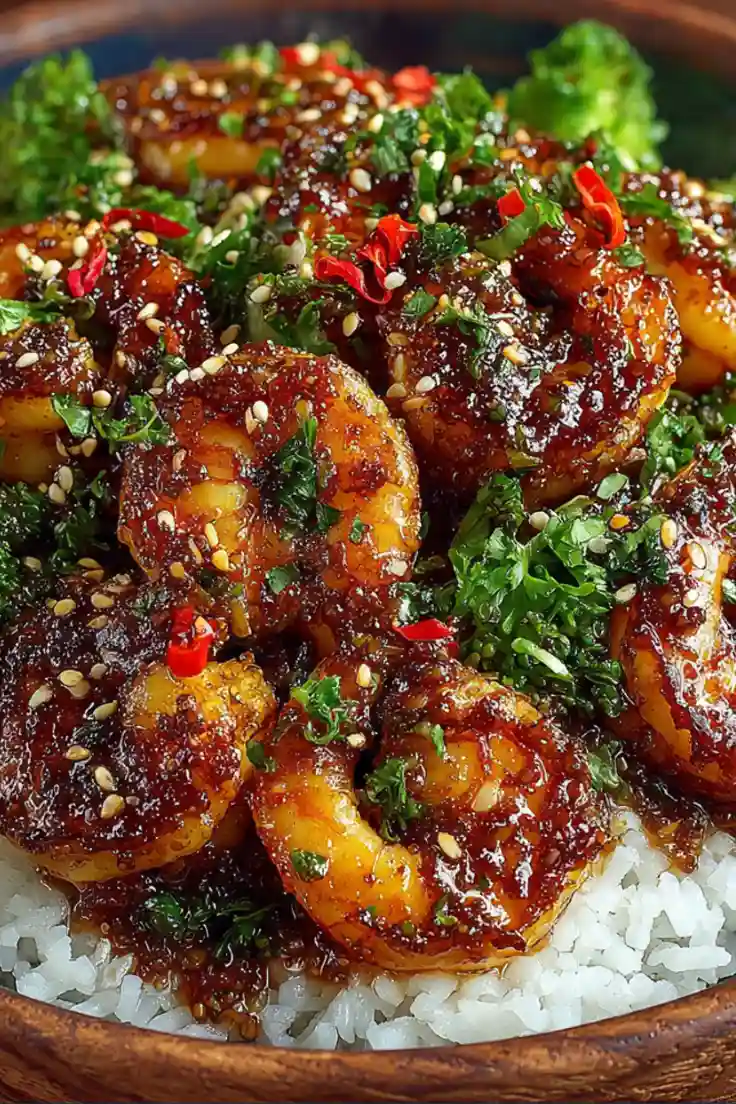
Garlic Shrimp Stir Fry

Garlic shrimp stir-fry is the kind of dinner that feels fresh, fast, and satisfying without needing a long cooking time. The shrimp cooks in minutes, the vegetables stay crisp-tender, and the garlic sauce coats everything without making the pan heavy or soupy.
This recipe is perfect for busy weeknights, quick lunches, meal prep bowls, or nights when you want something lighter than takeout but still full of flavor. You can serve it over rice, noodles, cauliflower rice, or enjoy it on its own with extra vegetables.
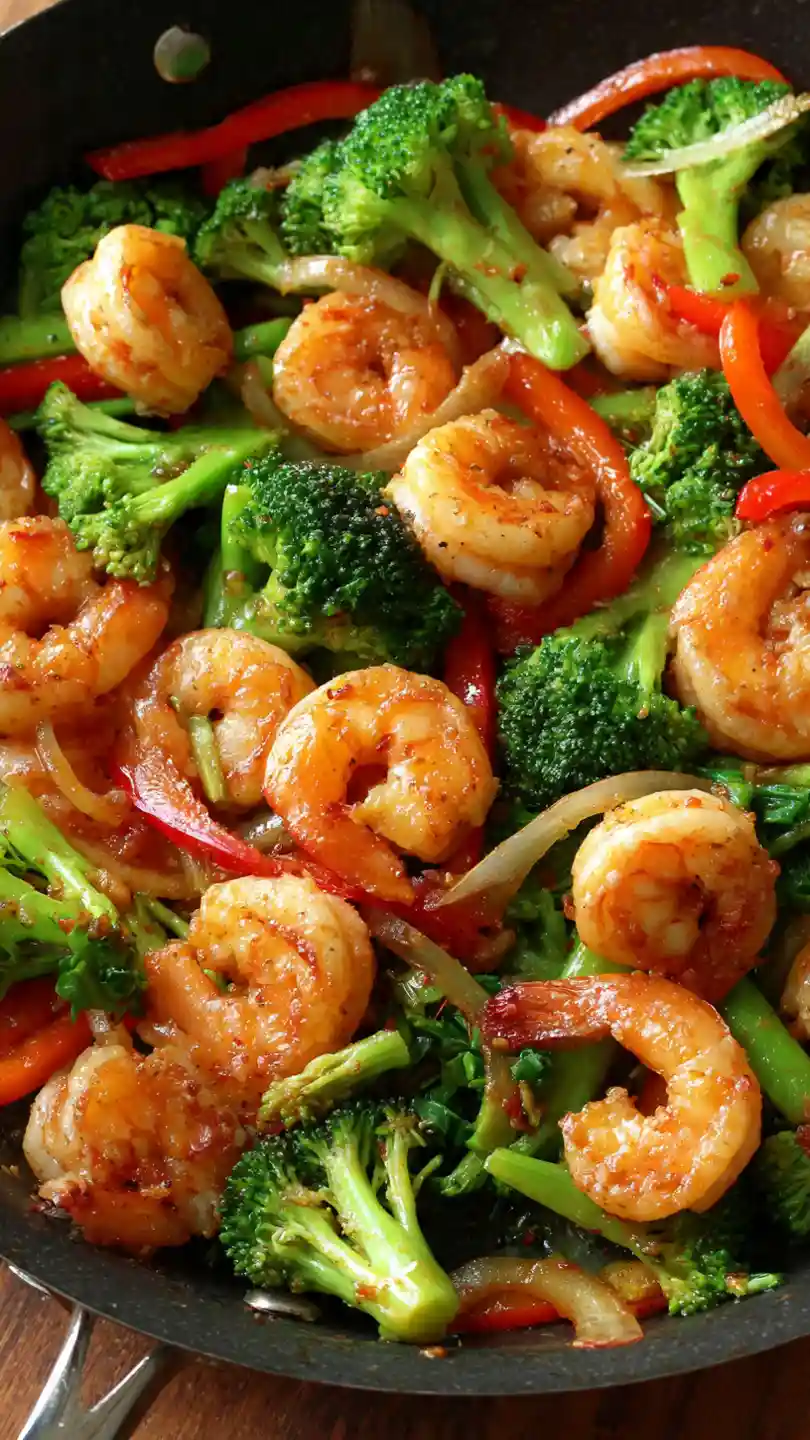
The key to a good shrimp stir-fry is timing. Shrimp overcooks quickly, so it should be cooked first, removed from the pan, and added back only at the end. The vegetables need high heat and enough space so they sear lightly instead of steaming.
What This Recipe Tastes Like
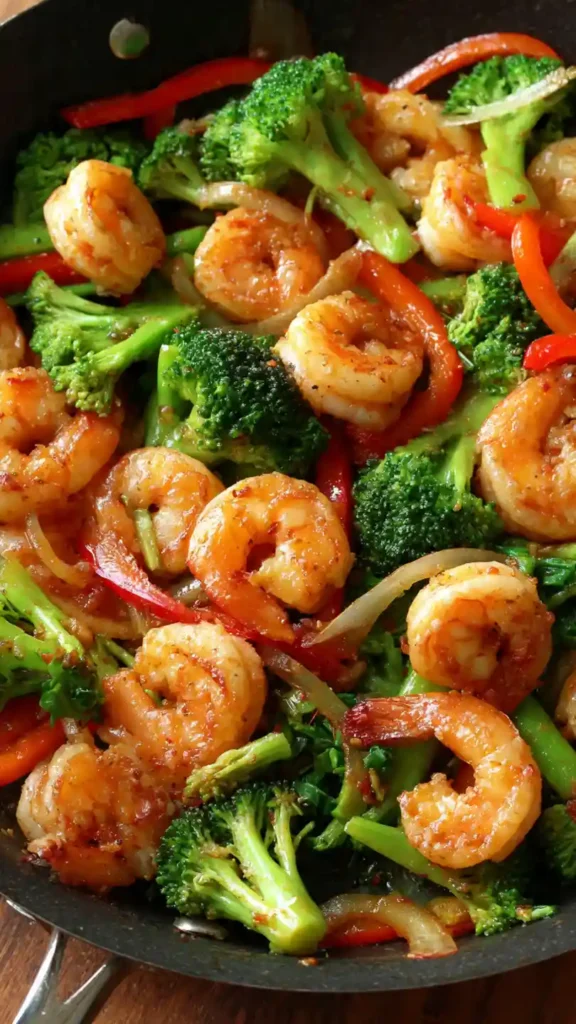
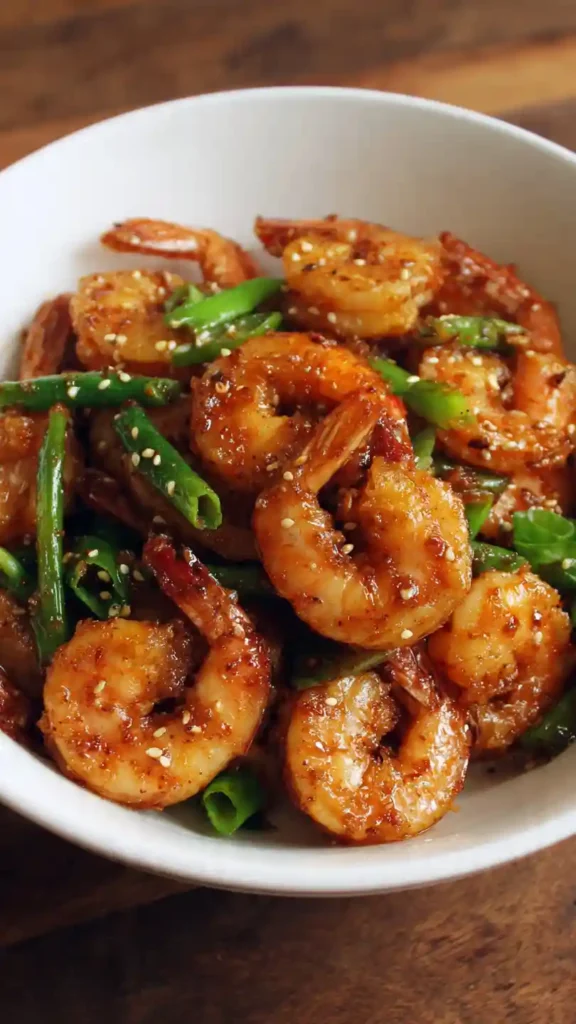
This garlic shrimp stir-fry tastes savory, garlicky, slightly sweet, and lightly tangy from the sauce. The garlic gives the dish a bold aroma, while soy sauce or tamari adds depth and saltiness.
The shrimp should be tender and juicy with a firm bite, not rubbery. The vegetables should stay colorful and crisp around the edges, with enough sauce to coat them but not drown them.
On the plate, it feels bright and balanced. You get juicy shrimp, crunchy vegetables, and a glossy garlic sauce that works especially well over warm rice or noodles.
Why You’ll Love This Recipe
- Fast dinner option because shrimp cooks in just a few minutes.
- One-pan meal with simple cleanup.
- Better than takeout because you control the sauce and vegetables.
- Easy to customize with whatever stir-fry vegetables you have.
- Great with rice, noodles, or low-carb sides depending on your meal plan.
- Beginner-friendly with clear cooking cues for shrimp.
- Meal prep friendly when reheated gently.
Best Occasions to Serve This
This garlic shrimp stir-fry is best for weeknight dinners when you want something quick but still fresh. It is also a good choice for lunch prep because it pairs well with rice, quinoa, noodles, or cauliflower rice.
Serve it when you want a lighter seafood dinner, a quick skillet meal, or a colorful vegetable-packed dish. It also works well for casual dinners because you can set out rice, noodles, chili crisp, lime wedges, or sesame seeds and let everyone finish their own bowl.
Shrimp is best freshly cooked, so this recipe is strongest when served right after cooking. Still, leftovers can work if you reheat them carefully and avoid overcooking the shrimp a second time.
Kitchen Equipment You’ll Need
Large skillet or wok – A wide pan gives shrimp and vegetables enough room to cook quickly over high heat.
Tongs or spatula – Helpful for tossing the shrimp and vegetables without breaking them.
Sharp knife – Needed for slicing vegetables evenly.
Cutting board – Keeps vegetable prep organized and safe.
Small bowl – Useful for mixing the stir-fry sauce before cooking.
Measuring spoons – Helps keep the sauce balanced.
Paper towels – Important for drying shrimp before it goes into the pan.
Ingredient Notes Before You Cook
Large shrimp work best for stir-fry because they are easier to cook without overcooking. Smaller shrimp can work, but they cook very fast and need close attention.
Peeled and deveined shrimp are the easiest choice. Tail-off shrimp is more practical for bowls and stir-fries because you can eat everything with a fork or chopsticks. Tail-on shrimp looks nice but is less convenient.
Fresh garlic is important because this recipe depends on garlic flavor. Mince it finely so it spreads through the sauce, but do not let it burn in the pan. Burned garlic can make the whole stir-fry bitter.
Bell peppers, broccoli, snap peas, carrots, mushrooms, and zucchini all work well. The best vegetables for stir-fry are ones that cook quickly but still hold texture.
Soy sauce gives the sauce its salty, savory base. Use low-sodium soy sauce if you want more control over salt. Tamari works well for a gluten-free version if the label confirms it is gluten-free.
A small amount of honey or brown sugar helps balance the salty garlic sauce. You can leave it out if you prefer a less sweet sauce, but a little sweetness helps the sauce taste rounder.
Cornstarch helps the sauce thicken slightly and cling to the shrimp and vegetables. Without it, the sauce will still taste good, but it may sit at the bottom of the pan.
Step-by-Step Cooking Instructions
1. Mix the sauce first
In a small bowl, stir together soy sauce, broth or water, rice vinegar, honey, cornstarch, sesame oil, and a little black pepper.
Mixing the sauce before cooking matters because stir-fry moves quickly. You do not want to measure ingredients while shrimp is already in a hot pan.
2. Dry and season the shrimp
Pat the shrimp dry with paper towels. This helps the shrimp sear lightly instead of releasing water into the pan.
Season the shrimp lightly with salt and pepper. Go easy on salt if your sauce uses regular soy sauce.
3. Heat the pan
Heat a large skillet or wok over medium-high to high heat. Add oil and let it heat until shimmering.
The pan should be hot enough that the shrimp sizzles when added. High heat helps create better texture and prevents watery stir-fry.
4. Cook the shrimp quickly
Add shrimp in a single layer. Cook for about 1 to 2 minutes per side, just until the shrimp turns pink, opaque, and firm.
Do not cook the shrimp all the way to rubbery tight curls. Remove it from the pan as soon as it is just cooked, then set it aside.
5. Stir-fry the vegetables
Add a little more oil if the pan looks dry. Add the vegetables that take longest first, such as broccoli, carrots, or bell peppers.
Stir-fry for a few minutes until the vegetables are bright and crisp-tender. They should still have some bite. If using softer vegetables like zucchini or mushrooms, add them later so they do not become watery.
6. Add garlic and ginger
Add minced garlic and fresh ginger to the vegetables. Stir for about 30 seconds, just until fragrant.
Do not add the garlic too early or it may burn before the vegetables finish cooking.
7. Add the sauce
Give the sauce one more stir because the cornstarch may settle at the bottom. Pour it into the pan and toss everything together.
The sauce should start bubbling and thickening within 30 to 60 seconds. It should look glossy and lightly coat the vegetables.
8. Return the shrimp
Add the cooked shrimp back to the skillet and toss gently to coat in the sauce. Keep this step short so the shrimp does not overcook.
If the sauce thickens too much, add a small splash of water or broth to loosen it.
9. Finish and serve
Turn off the heat and finish with green onions, sesame seeds, or a squeeze of lime if desired.
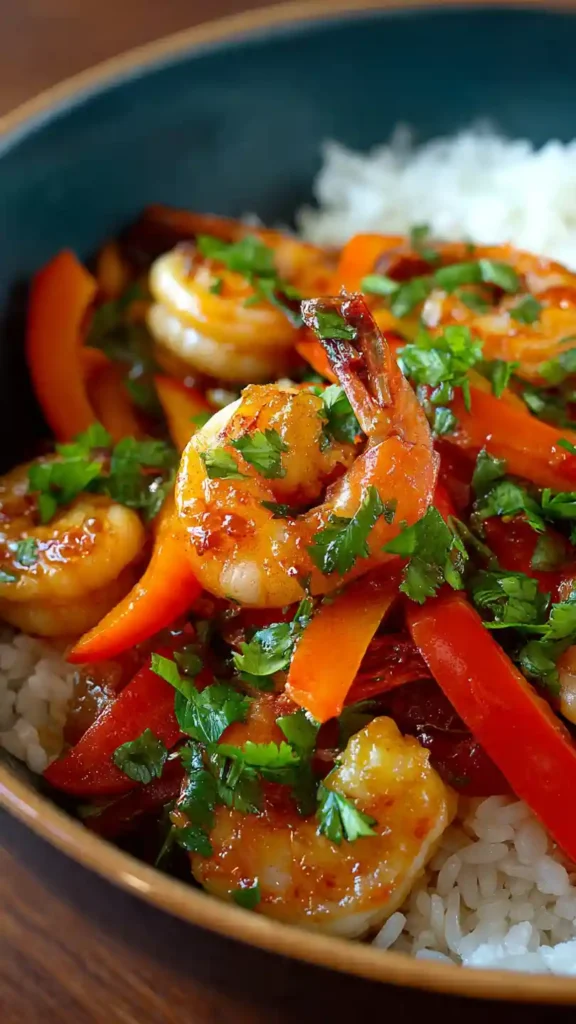
Serve hot over rice, noodles, cauliflower rice, or extra vegetables.
Pro Tips for Best Results
- Prep everything before turning on the stove. Stir-fry cooks fast, so chopped vegetables and sauce should be ready.
- Use high heat. A hot pan keeps vegetables crisp and prevents the shrimp from steaming.
- Dry the shrimp well. Wet shrimp releases water and makes the sauce thin.
- Cook shrimp separately. Removing it before cooking the vegetables keeps it tender.
- Add garlic late. Garlic burns quickly, so add it after the vegetables have started cooking.
- Stir the sauce before adding it. Cornstarch settles, and the sauce will not thicken evenly unless mixed again.
- Do not overcook vegetables. Stir-fry vegetables should be crisp-tender, not limp.
- Serve right away. The texture is best while the shrimp is hot and the vegetables are still crisp.
Common Mistakes to Avoid
Overcooking the shrimp
Shrimp becomes rubbery when cooked too long. Cook it just until opaque and firm, then remove it from the pan.
Crowding the pan
Too much shrimp or too many vegetables at once will steam instead of stir-fry. Use a wide pan or cook in batches if needed.
Adding sauce too early
Sauce should go in near the end. If it cooks too long, it can reduce too much or make the vegetables soggy.
Burning the garlic
Garlic should cook briefly, not sit in hot oil for several minutes. Add it after the vegetables are partly cooked.
Skipping the sauce slurry
If using cornstarch, mix it fully into the sauce before adding. Dry cornstarch added directly to the pan can clump.
Using frozen vegetables without managing moisture
Frozen vegetables release more water. If using them, cook off extra moisture before adding the sauce.
Variations & Substitutions
Spicy Garlic Shrimp Stir-Fry
Add chili garlic sauce, sriracha, red pepper flakes, or sliced fresh chili to the sauce. Start small and add more after tasting.
Honey Garlic Shrimp Stir-Fry
Increase the honey slightly for a sweeter sauce. This version works well with broccoli, carrots, and snap peas.
Low-Carb Garlic Shrimp Stir-Fry
Serve over cauliflower rice, zucchini noodles, cabbage, or extra stir-fried vegetables instead of rice or noodles.
Gluten-Free Version
Use gluten-free tamari instead of soy sauce and confirm that your broth and other packaged ingredients are gluten-free.
Vegetable Swap
Use broccoli, bell peppers, snow peas, snap peas, carrots, mushrooms, asparagus, zucchini, cabbage, bok choy, or green beans. Cut firmer vegetables smaller so they cook quickly.
Noodle Stir-Fry
Toss the finished shrimp and vegetables with cooked rice noodles, lo mein noodles, or spaghetti. Add a splash of water if the sauce needs loosening.
Chicken Version
Use thinly sliced chicken breast or thighs instead of shrimp. Cook the chicken until it reaches 165°F, then remove it before cooking the vegetables.
What to Serve With This Recipe
Steamed white rice – The easiest base for soaking up the garlic sauce.
Brown rice – Adds a heartier texture and works well for meal prep.
Rice noodles – Turn the stir-fry into a noodle bowl.
Cauliflower rice – A lighter, low-carb option.
Cucumber salad – Adds a cool crunch next to the hot stir-fry.
Edamame – A simple side that adds extra protein and color.
Lettuce cups – A fresh way to serve the shrimp and vegetables without grains.
Sesame green beans – A quick side that matches the garlic-soy flavor.
Storage, Freezing & Reheating Tips
Store leftover garlic shrimp stir-fry in an airtight container in the refrigerator for up to 3 days. Keep it with rice or noodles only if you plan to eat it soon, since the sauce can soak in and soften the base.
Freezing is possible, but not ideal. Cooked shrimp can become firmer after thawing, and stir-fried vegetables may soften. If you do freeze it, use a freezer-safe container and freeze for up to 2 months.
Reheat gently in a skillet over medium-low heat with a splash of water or broth. Stir just until warmed through. Avoid boiling the shrimp again because that can make it rubbery.
Microwaving works for convenience, but use short intervals and stir between each one. Stop heating as soon as the shrimp is warm.
Make-Ahead Tips
You can mix the sauce up to 2 days ahead and store it in the refrigerator. Stir it well before using because the cornstarch will settle.
Vegetables can be sliced 1 to 2 days ahead and stored in airtight containers. Keep watery vegetables like zucchini separate if possible.
Shrimp can be peeled and deveined ahead, but keep it cold and covered in the refrigerator. Pat it dry right before cooking.
Do not fully cook the shrimp too far ahead if you want the best texture. The fastest and best method is to prep everything ahead, then stir-fry right before serving.
FAQs
Can I use frozen shrimp for garlic shrimp stir-fry?
Yes, frozen shrimp works well if it is fully thawed and dried before cooking. Extra moisture from frozen shrimp can make the stir-fry watery, so pat the shrimp very dry with paper towels before adding it to the pan.
How do you keep shrimp from getting rubbery in stir-fry?
Cook shrimp quickly over medium-high to high heat and remove it from the pan as soon as it turns opaque and firm. Add it back only at the end to coat it in the sauce. Long cooking time is the main reason shrimp turns rubbery.
What vegetables are best for shrimp stir-fry?
Bell peppers, broccoli, snap peas, carrots, mushrooms, zucchini, bok choy, cabbage, and green beans all work well. Use a mix of crisp vegetables and cut them evenly so they cook quickly.
Can I make garlic shrimp stir-fry ahead of time?
You can prep the sauce and vegetables ahead, but the shrimp tastes best cooked fresh. If you need to make it ahead, store leftovers in the refrigerator and reheat gently with a splash of water or broth.
Is garlic shrimp stir-fry good for meal prep?
Yes, but it is best for short-term meal prep. Store it for up to 3 days and reheat gently. For the best texture, pair it with rice or cauliflower rice and avoid overheating the shrimp.
More diner recipes:-
Garlic Shrimp Stir-Fry
Ingredients
Method
- In a small bowl, whisk together soy sauce, broth, rice vinegar, honey, sesame oil, and cornstarch. Set aside.
- Pat shrimp dry with paper towels.
- Season shrimp with salt and black pepper.
- Heat 1 tablespoon oil in a large skillet or wok over medium-high heat.
- Add shrimp in a single layer and cook for 1 to 2 minutes per side, until pearly or white, opaque, firm, and cooked to 145°F.
- Transfer shrimp to a plate.
- Add remaining 1 tablespoon oil to the skillet.
- Add broccoli, bell peppers, snap peas, and carrot. Stir-fry for 4 to 5 minutes, until crisp-tender.
- Add garlic and ginger. Cook for 30 seconds, stirring constantly.
- Stir the sauce again, then pour it into the skillet.
- Cook for 30 to 60 seconds, until the sauce bubbles and thickens slightly.
- Return shrimp to the skillet and toss gently to coat.
- Remove from heat and garnish with green onions and sesame seeds if using.
- Serve warm over rice, noodles, cauliflower rice, or extra vegetables.
Notes
- Pat shrimp dry before cooking to avoid watery stir-fry.
- Cook shrimp separately and add it back at the end so it stays tender.
- Use high heat and avoid overcrowding the skillet.
- Stir the sauce before adding because cornstarch settles at the bottom.
- Use tamari for a gluten-free version if needed.
Protein: 36g
Fat: 8g
Carbs: 18g