Lemon Butter Shrimp Skillet

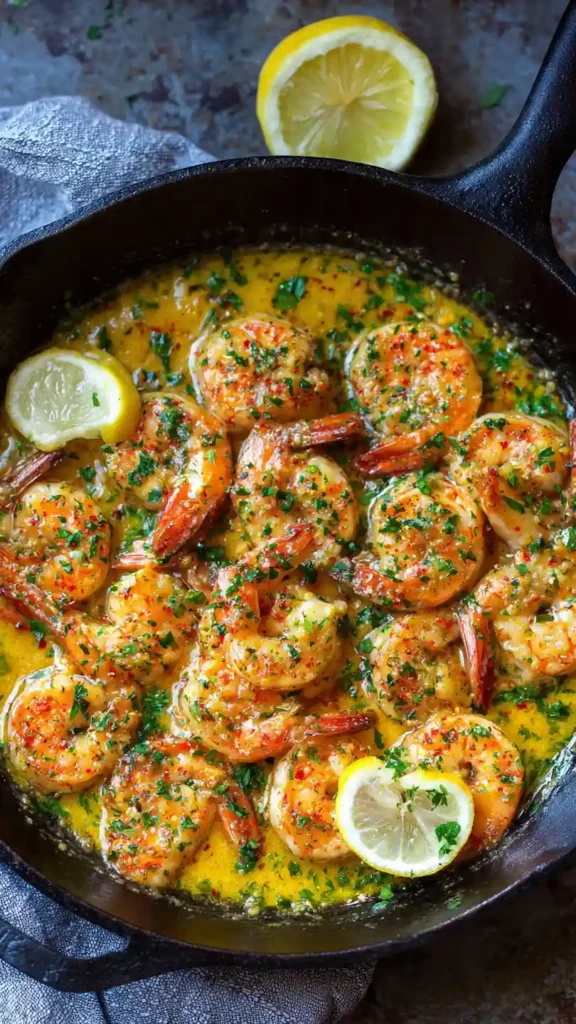
This lemon butter shrimp skillet is a quick dinner made with tender shrimp, garlic, butter, fresh lemon, and a light pan sauce that comes together in minutes. It tastes bright and rich at the same time, which makes it feel special without being difficult.
Shrimp is one of the fastest proteins to cook, so this recipe is perfect for busy weeknights, last-minute dinners, light meals, or easy entertaining. You can serve it over pasta, rice, cauliflower rice, roasted vegetables, salad, or with bread for soaking up the sauce.
The key to making this recipe work is not overcooking the shrimp. Shrimp only needs a few minutes in a hot skillet. Once it curls, turns opaque, and reaches a safe temperature, it should come off the heat so it stays juicy instead of rubbery.
What This Recipe Tastes Like
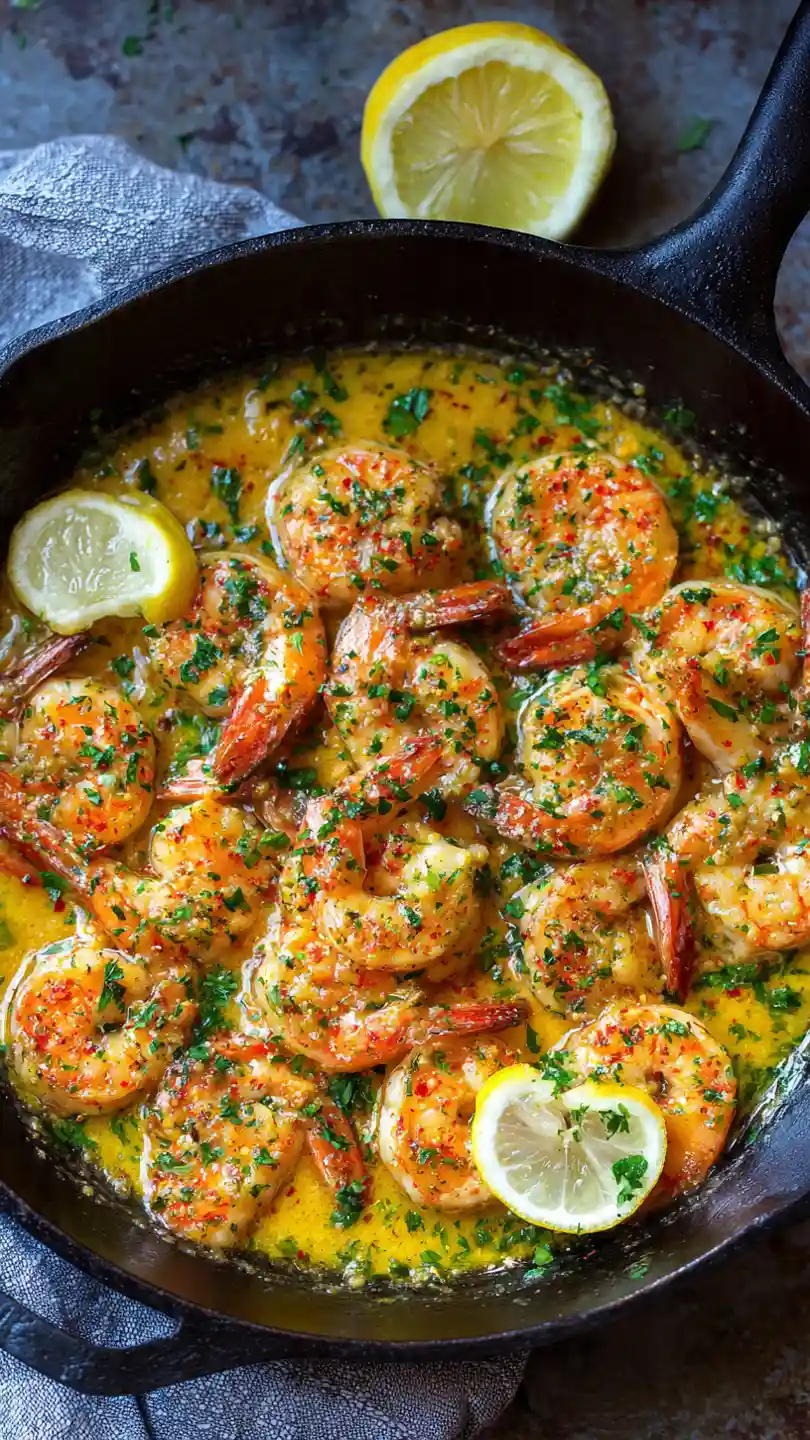
This lemon butter shrimp skillet tastes buttery, garlicky, fresh, and lightly savory. The lemon gives the sauce a clean brightness, while the butter makes it smooth and rich enough to coat the shrimp.
The garlic adds warmth without overpowering the seafood. A little broth or pasta water helps loosen the sauce so it does not feel greasy or too heavy. If you add red pepper flakes, the dish gets a gentle heat that works well with the lemon.
The shrimp should be tender and juicy with a slight snap when you bite into it. The sauce is light, glossy, and perfect for spooning over rice, pasta, or vegetables.
Why You’ll Love This Recipe
- Ready fast because shrimp cooks in just a few minutes.
- One-skillet recipe with minimal cleanup.
- Bright, fresh flavor from real lemon juice and zest.
- Great for weeknights when you need dinner quickly.
- Flexible serving options with pasta, rice, salad, or low-carb sides.
- Beginner-friendly with simple visual doneness cues.
- Feels restaurant-style without complicated ingredients.
Best Occasions to Serve This
This recipe is best for quick weeknight dinners when you want something flavorful but not heavy. It is also useful for warm-weather meals because the lemon keeps the dish fresh and light.
Serve it for date-night dinners at home with pasta or risotto. It also works for casual entertaining because shrimp looks impressive on the plate and cooks quickly.
For meal prep, this recipe can work if reheated gently, but shrimp is best when freshly cooked. If making ahead, prep the sauce ingredients and cook the shrimp right before serving.
Kitchen Equipment You’ll Need
Large skillet – A wide skillet gives the shrimp room to cook evenly without steaming.
Tongs or spatula – Helpful for turning shrimp quickly.
Cutting board – Needed for prepping garlic, lemon, and parsley.
Sharp knife – Useful for mincing garlic and chopping herbs.
Microplane or zester – Helps remove lemon zest without the bitter white pith.
Measuring spoons – Keeps the lemon, butter, and seasoning balanced.
Instant-read thermometer – Helpful if you want to check that shrimp reaches 145°F.
Ingredient Notes Before You Cook
Large or jumbo shrimp work best because they are easier to sear without overcooking. Smaller shrimp cook very quickly and can turn rubbery if left in the pan too long.
Use peeled and deveined shrimp for easier eating. Tail-on shrimp looks nice for serving, but tail-off shrimp is more practical for pasta, rice bowls, and family dinners.
Fresh lemon juice is important because it gives the sauce a cleaner flavor. Bottled lemon juice can taste harsh or flat. Lemon zest adds even more lemon aroma without making the sauce too acidic.
Fresh garlic gives the best flavor. Cook it gently in butter so it becomes fragrant without turning dark brown. Burned garlic can make the sauce taste bitter.
Butter creates the rich base of the sauce. A little olive oil helps raise the cooking point and keeps the butter from browning too fast.
Chicken broth, vegetable broth, or reserved pasta water helps loosen the sauce. This keeps the lemon butter from feeling too oily and helps it coat the shrimp more evenly.
Step-by-Step Cooking Instructions
1. Dry the shrimp
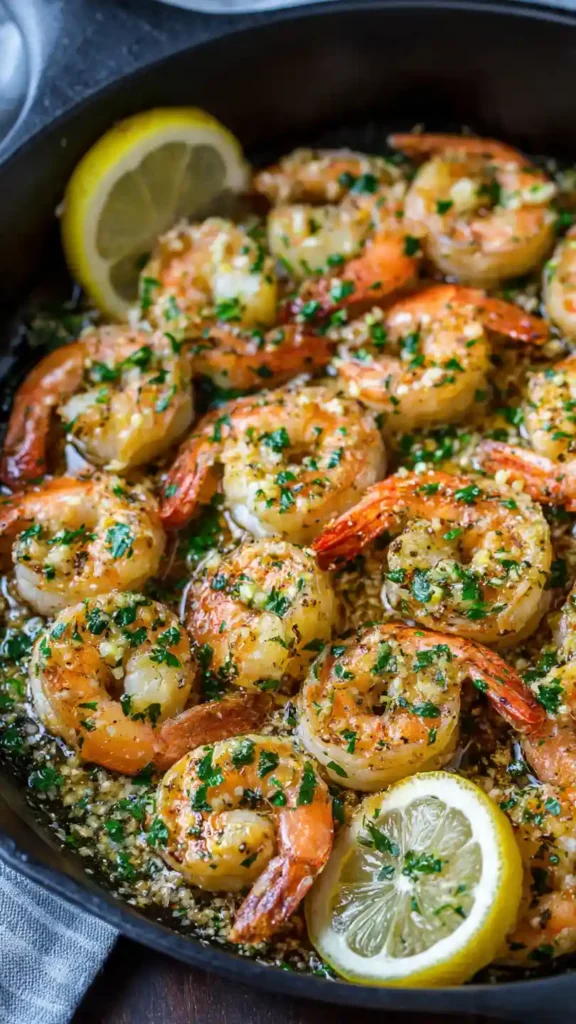
Pat the shrimp dry with paper towels before seasoning. This helps the shrimp sear lightly instead of steaming in the pan.
If the shrimp is very wet, the sauce can become watery and the shrimp may not develop good flavor.
2. Season simply
Season the shrimp with salt, black pepper, paprika, and a little garlic powder if using. Keep the seasoning simple so the lemon butter sauce can shine.
Toss gently so the shrimp is evenly coated.
3. Heat the skillet
Place a large skillet over medium-high heat. Add olive oil and a small amount of butter.
The skillet should be hot enough that the shrimp sizzles when it touches the pan, but not so hot that the butter burns immediately.
4. Cook the shrimp quickly
Add the shrimp in a single layer. Cook for about 1 to 2 minutes on the first side, then flip and cook for another 1 to 2 minutes.
The shrimp should turn pink and opaque, curl into a loose C shape, and feel firm. Remove the shrimp from the skillet as soon as it is cooked through.
5. Cook the garlic gently
Lower the heat to medium-low. Add the remaining butter and minced garlic to the same skillet.
Stir for about 30 seconds, just until the garlic smells fragrant. Do not let it darken too much.
6. Build the lemon butter sauce
Add lemon juice, lemon zest, and broth to the skillet. Stir and scrape up any flavorful bits from the bottom of the pan.
Let the sauce bubble gently for 1 to 2 minutes. It should look glossy and slightly reduced, but not thick or sticky.
7. Return the shrimp to the pan
Add the cooked shrimp back to the skillet and toss gently in the sauce. Keep this step short so the shrimp does not overcook.
If the sauce looks too strong or too thick, add a small splash of broth or pasta water.
8. Finish with herbs
Turn off the heat and add chopped parsley. Taste and adjust with a small pinch of salt, extra lemon zest, or black pepper.
Serve right away while the shrimp is tender and the sauce is warm.
Pro Tips for Best Results
- Use large shrimp. They are easier to cook without overcooking.
- Pat shrimp dry before cooking. Dry shrimp sears better and keeps the sauce from turning watery.
- Cook shrimp in one layer. Crowding the pan causes steaming.
- Remove shrimp before making the sauce. This prevents rubbery shrimp.
- Add garlic after lowering the heat. Garlic burns quickly in a hot skillet.
- Use lemon zest and juice. Zest gives lemon flavor without too much acidity.
- Do not simmer shrimp in the sauce for long. Shrimp only needs to be warmed through after returning to the pan.
- Serve immediately. Shrimp has the best texture right after cooking.
Common Mistakes to Avoid
Overcooking the shrimp
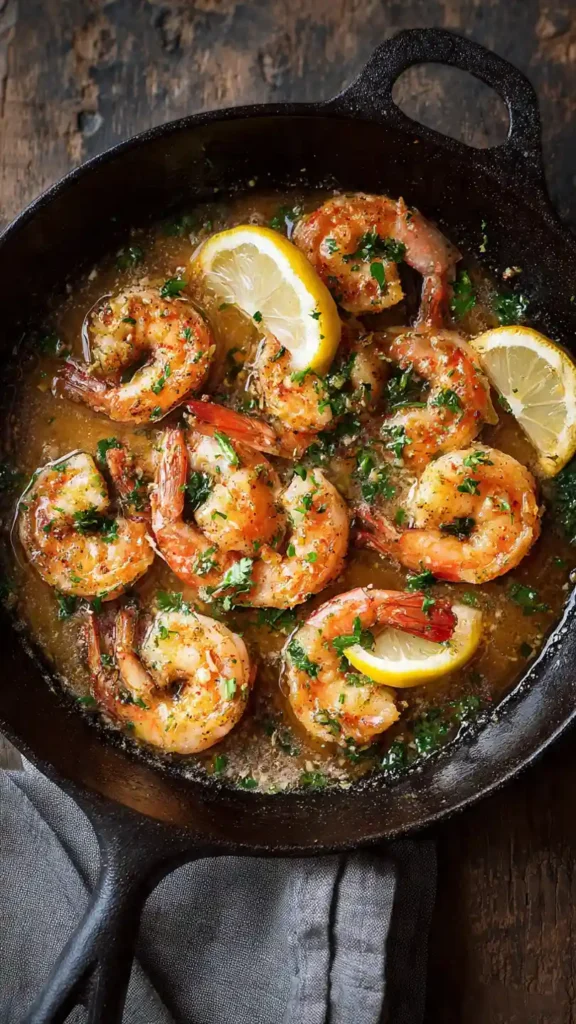
Overcooked shrimp becomes rubbery and tight. Cook just until it turns opaque and firm, then remove it from the skillet.
Using wet shrimp
Excess moisture can water down the sauce. Pat shrimp dry very well before seasoning.
Burning the garlic
Garlic can burn fast in butter. Lower the heat before adding it and stir constantly.
Adding too much lemon juice
Too much lemon can make the sauce sharp. Use zest for more lemon flavor without making the dish sour.
Crowding the skillet
Shrimp needs space to cook properly. If your skillet is small, cook in batches.
Letting the sauce boil too hard
A hard boil can make the butter sauce separate or reduce too much. Keep the sauce at a gentle bubble.
Variations & Substitutions
Creamy Lemon Butter Shrimp
Add a splash of heavy cream after the lemon juice and broth. Keep the heat low and simmer gently until the sauce is smooth.
Spicy Lemon Butter Shrimp
Add crushed red pepper flakes, cayenne, or a little chili paste to the garlic butter. This gives the dish a warm kick without hiding the lemon flavor.
Garlic Parmesan Shrimp
Add a few tablespoons of finely grated Parmesan at the end. Stir off the heat so the cheese melts gently into the sauce.
Dairy-Free Lemon Shrimp
Replace butter with olive oil or a dairy-free butter alternative. The sauce will taste lighter but still bright and garlicky.
Low-Carb Lemon Butter Shrimp
Serve the shrimp over cauliflower rice, zucchini noodles, sautéed spinach, or roasted broccoli.
Pasta Version
Toss the shrimp and sauce with cooked linguine, spaghetti, or angel hair. Add reserved pasta water a little at a time so the sauce coats the noodles.
Rice Bowl Version
Serve over white rice, brown rice, or coconut rice with extra lemon and herbs.
What to Serve With This Recipe
Angel hair pasta – Light pasta works well with the quick lemon butter sauce.
White rice – Soaks up the sauce and makes the meal more filling.
Cauliflower rice – A low-carb option that keeps the meal light.
Roasted asparagus – Fresh and simple with lemon and butter.
Steamed broccoli – Easy, mild, and good for soaking up sauce.
Garlic bread – Best if you want something to scoop up every bit of sauce.
Zucchini noodles – A lighter option that pairs naturally with shrimp.
Simple green salad – Adds crunch and freshness next to the buttery shrimp.
Storage, Freezing & Reheating Tips
Store leftover shrimp in an airtight container in the refrigerator for up to 3 days. Keep the sauce with the shrimp so it stays moist.
Freezing cooked shrimp is possible, but the texture may become firmer after thawing. If you freeze it, use a freezer-safe container and freeze for up to 2 months.
Reheat gently in a skillet over low heat with a splash of broth, water, or pasta water. Warm just until heated through. Do not boil the shrimp again.
Microwaving can make shrimp rubbery, so use short intervals and low power if needed. Stir gently between intervals.
This recipe is best fresh, so only reheat the portion you plan to eat.
Make-Ahead Tips
You can peel and devein the shrimp ahead of time if needed. Keep it covered in the refrigerator until ready to cook.
You can mince the garlic, zest the lemon, juice the lemon, and chop the parsley a few hours ahead. Store each item separately for the freshest flavor.
Do not cook the shrimp too far in advance if you want the best texture. Shrimp is quick, so it is better to prep everything ahead and cook right before serving.
If serving with pasta, cook the pasta just before making the shrimp or save some pasta water to loosen the sauce.
FAQs
How do you know when shrimp is cooked?
Shrimp is cooked when it turns pink and opaque, feels firm, and curls into a loose C shape. For food safety, seafood should reach 145°F. Avoid cooking shrimp until it curls tightly into an O shape because that usually means it is overcooked.
Can I use frozen shrimp for lemon butter shrimp skillet?
Yes, frozen shrimp works well. Thaw it completely first, then pat it very dry before cooking. Extra moisture from frozen shrimp can make the sauce watery if it is not dried properly.
What is the best shrimp size for a skillet recipe?
Large or jumbo shrimp are best for skillet recipes because they are easier to cook evenly and less likely to overcook quickly. Smaller shrimp can still work, but they need less time in the pan.
Can I make lemon butter shrimp skillet with pasta?
Yes, this shrimp skillet is excellent with pasta. Toss the cooked shrimp and sauce with linguine, spaghetti, angel hair, or penne. Add reserved pasta water as needed to help the sauce coat the noodles.
Why did my shrimp turn rubbery?
Shrimp turns rubbery when it is overcooked. Cook it quickly, remove it from the skillet while making the sauce, and only return it briefly at the end. High heat for too long is the most common problem.
More diner recipes:-
Lemon Butter Shrimp Skillet
Ingredients
Method
- Pat the shrimp dry with paper towels.
- Season shrimp with 1/2 teaspoon salt, black pepper, and paprika.
- Heat olive oil and 1 tablespoon butter in a large skillet over medium-high heat.
- Add shrimp in a single layer and cook for 1 to 2 minutes per side, until pink, opaque, firm, and cooked to 145°F.
- Transfer shrimp to a plate.
- Reduce heat to medium-low. Add remaining 3 tablespoons butter to the skillet.
- Add garlic and cook for about 30 seconds, stirring constantly.
- Add broth, lemon juice, lemon zest, remaining 1/2 teaspoon salt, and red pepper flakes if using.
- Simmer gently for 1 to 2 minutes.
- Return shrimp to the skillet and toss in the lemon butter sauce for about 30 seconds.
- Remove from heat and stir in parsley.
- Serve warm with lemon slices.
Notes
- Pat shrimp dry before cooking so the sauce does not turn watery.
- Do not overcook shrimp; it should be firm and opaque.
- Use fresh lemon juice for the best flavor.
- Cook shrimp in batches if your skillet is small.
- Serve immediately for the best texture.
Protein: 35g
Fat: 15g
Carbs: 3g