Creamy Chicken Alfredo Pasta

Creamy chicken Alfredo pasta is a rich, comforting dinner made with tender chicken, pasta, Parmesan, garlic, and a silky cream sauce. It feels restaurant-style, but it is simple enough to make at home without complicated steps.
This recipe is perfect for family dinners, date-night meals at home, busy weeknights when you want something filling, or meal prep when you need leftovers that still taste good the next day. The sauce is creamy without being gluey, and the chicken is cooked separately first so it stays juicy instead of boiling in the sauce.
The key to a good Alfredo is gentle heat. Parmesan melts best when the sauce is warm but not aggressively boiling. Pasta water also helps the sauce cling to the noodles instead of sitting heavy at the bottom of the pan.
What This Recipe Tastes Like
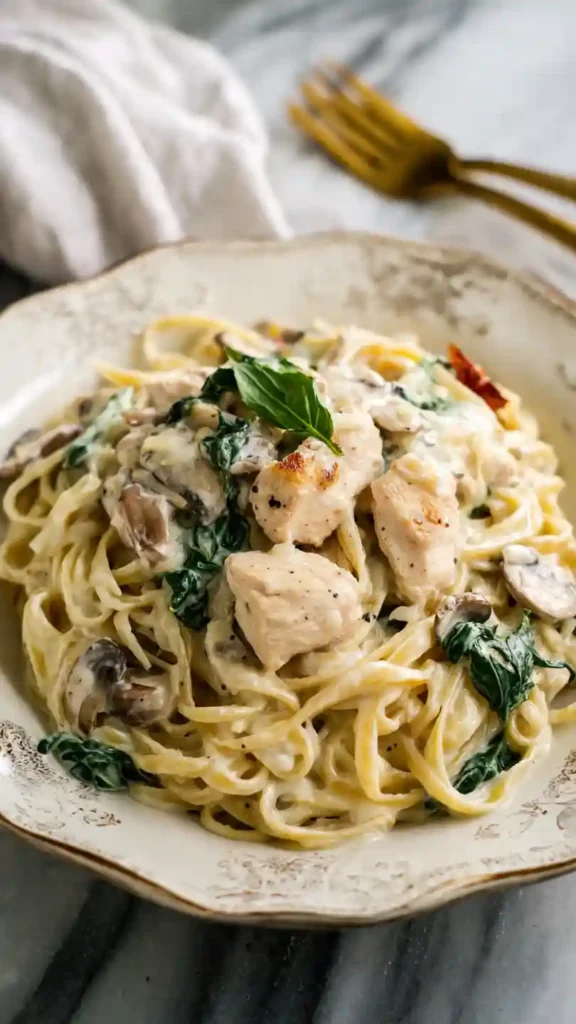
This creamy chicken Alfredo pasta tastes rich, buttery, garlicky, and savory with a smooth Parmesan finish. The sauce coats the pasta without feeling dry or clumpy, and the chicken adds a tender, seasoned bite.
The texture should be creamy and glossy, not thick like paste. The pasta should be tender but still have a little bite, while the chicken should stay juicy in the center with light golden edges from the skillet.
On the plate, it is cozy and satisfying. The garlic gives warmth, the Parmesan adds salty depth, and the cream brings everything together into a smooth sauce that feels comforting without needing a long ingredient list.
Why You’ll Love This Recipe
- Comforting family dinner with familiar flavors.
- Creamy homemade sauce without using jarred Alfredo.
- Tender chicken pieces cooked separately for better texture.
- Ready in about 35 minutes with simple steps.
- Great for pasta lovers and easy enough for beginners.
- Flexible serving options with vegetables, salad, or garlic bread.
- Better than bland Alfredo because the chicken, pasta water, garlic, and Parmesan all build flavor.
Best Occasions to Serve This
Creamy chicken Alfredo pasta is perfect for weeknight dinners when you want something filling and comforting. It is also a good weekend dinner when you want a restaurant-style meal without ordering takeout.
Serve it for family pasta night, casual entertaining, cozy cold-weather dinners, or simple date-night meals at home. It also works for meal prep if you reheat it gently and loosen the sauce with a splash of milk or broth.
This recipe is rich, so it pairs best with something fresh or crisp on the side, like salad, steamed broccoli, roasted vegetables, or green beans.
Kitchen Equipment You’ll Need
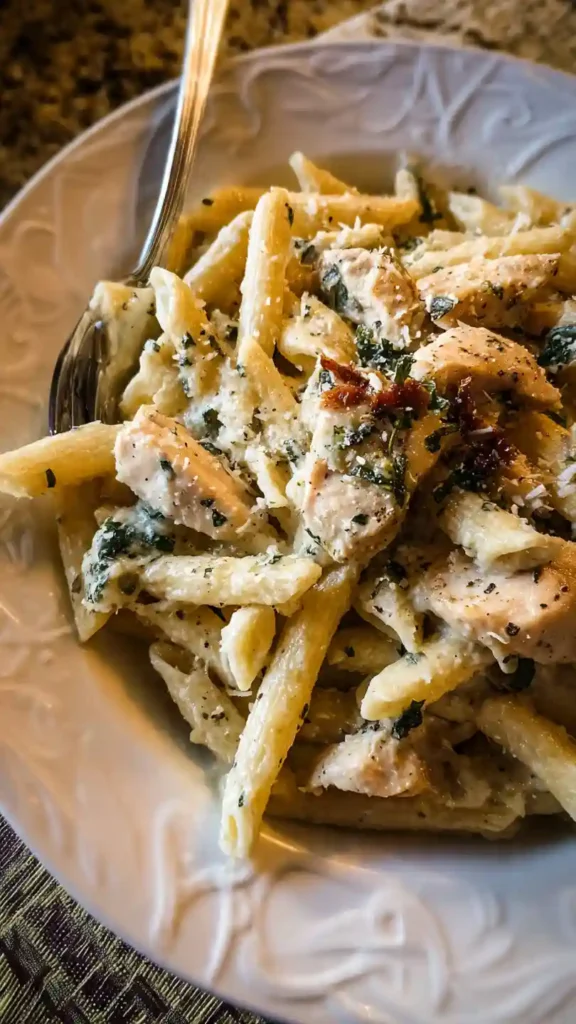
Large pot – Needed for boiling pasta with enough water so the noodles cook evenly.
Large skillet or sauté pan – Gives enough room to cook the chicken and toss the pasta with sauce.
Tongs – Helpful for tossing pasta into the sauce without breaking it.
Sharp knife – Needed for cutting chicken into even pieces.
Cutting board – Keeps chicken prep organized and safe.
Measuring cups and spoons – Helps keep the sauce balanced.
Instant-read thermometer – The best way to make sure the chicken is cooked safely without drying it out.
Cheese grater – Freshly grated Parmesan melts smoother than pre-shredded cheese.
Ingredient Notes Before You Cook
Boneless, skinless chicken breast works well because it cooks quickly and slices neatly into pasta. Chicken thighs can also be used if you want a juicier, richer bite. Whichever cut you choose, cut it into even pieces so it cooks at the same pace.
Fettuccine is classic for Alfredo because the wide noodles hold the creamy sauce well. Penne, rigatoni, linguine, or spaghetti can also work. Short pasta is helpful if you want easier serving for kids.
Heavy cream gives the sauce a smooth, rich texture. Half-and-half can work for a lighter version, but the sauce will be thinner and more likely to separate if overheated.
Freshly grated Parmesan is important. Pre-shredded Parmesan often contains anti-caking ingredients that can make Alfredo sauce grainy. Grating it fresh gives a smoother finish.
Garlic should be cooked gently in butter. If it browns too much, it can taste bitter and overpower the cream sauce.
Pasta water is one of the most useful ingredients in this recipe. It helps loosen the sauce while the starch helps it cling to the pasta.
Step-by-Step Cooking Instructions
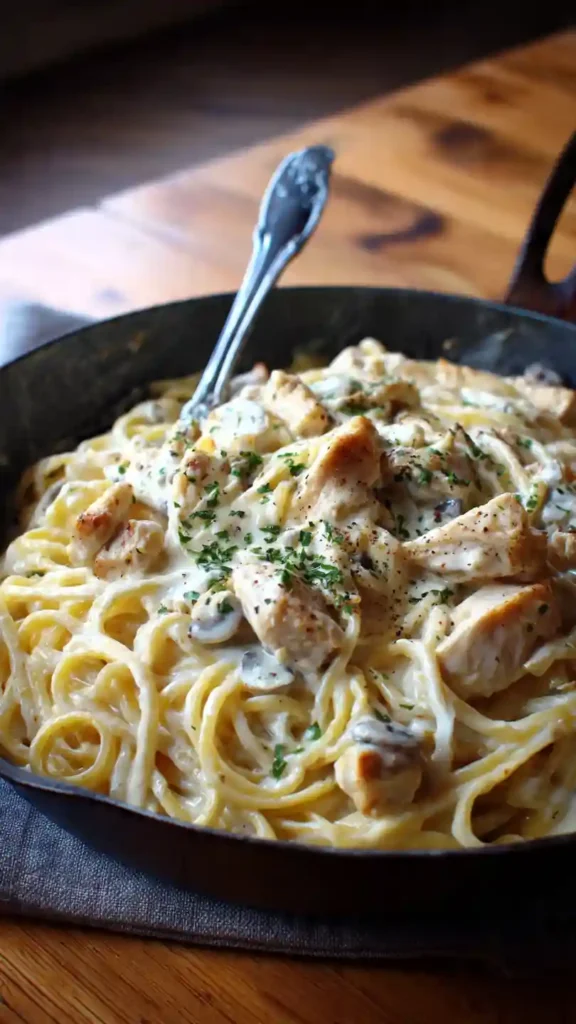
1. Cook the pasta
Bring a large pot of salted water to a boil. Add the pasta and cook until al dente according to the package directions.
Before draining, reserve about 1 cup of pasta water. You may not need all of it, but it is helpful for adjusting the Alfredo sauce later.
2. Prepare the chicken
Pat the chicken dry with paper towels, then cut it into even bite-size pieces or thin strips. Season with salt, pepper, garlic powder, and Italian seasoning.
Drying the chicken helps it brown better in the skillet. Even pieces also prevent some chicken from drying out while thicker pieces are still cooking.
3. Sear the chicken
Heat a large skillet over medium-high heat. Add olive oil, then add the chicken in a single layer.
Let the chicken cook without moving it too much at first. This helps it develop light golden edges. Cook until the chicken reaches 165°F in the thickest pieces, then transfer it to a plate.
4. Lower the heat and cook the garlic
Reduce the heat to medium-low. Add butter to the same skillet, then stir in the minced garlic.
Cook for about 30 seconds, just until fragrant. Do not let the garlic turn dark brown. Alfredo sauce should taste mellow and creamy, not bitter.
5. Add the cream
Pour in the heavy cream and stir, scraping up any light browned bits from the bottom of the skillet. Let the cream warm gently.
Avoid boiling the cream hard. A gentle simmer is enough to slightly thicken the sauce and carry the garlic flavor.
6. Melt in the Parmesan
Lower the heat and add the Parmesan a little at a time, stirring as it melts. Adding it slowly helps create a smoother sauce.
If the sauce looks too thick, add a splash of reserved pasta water. The sauce should look creamy and glossy, not stiff.
7. Add pasta and chicken
Add the drained pasta to the skillet and toss until coated. Return the cooked chicken to the pan and gently mix it into the sauce.
If needed, add more pasta water a little at a time until the sauce coats the noodles smoothly.
8. Taste and adjust
Taste the pasta before serving. Add more black pepper, a small pinch of salt, or extra Parmesan if needed.
Because Parmesan is salty, it is better to adjust at the end instead of adding too much salt early.
9. Serve warm
Serve the pasta right away while the sauce is creamy. Add chopped parsley, extra Parmesan, or cracked black pepper if desired.
Alfredo sauce thickens as it sits, so it is best served fresh from the skillet.
Pro Tips for Best Results
- Use freshly grated Parmesan. It melts smoother and prevents grainy sauce.
- Do not boil the sauce hard. High heat can make the cream reduce too fast and the cheese separate.
- Reserve pasta water before draining. It is the easiest way to loosen the sauce without making it watery.
- Cook chicken separately. This gives the chicken better texture and prevents it from turning rubbery in the sauce.
- Season the chicken well. Alfredo sauce is rich, so the chicken needs seasoning to stand out.
- Add cheese slowly. Dumping all the Parmesan in at once can create clumps.
- Serve right away. Alfredo is creamiest when freshly tossed.
- Loosen leftovers gently. Add milk, cream, broth, or pasta water when reheating so the sauce becomes smooth again.
Common Mistakes to Avoid
Using pre-shredded Parmesan
Pre-shredded cheese does not melt as smoothly. It can make the sauce gritty or clumpy. Use freshly grated Parmesan for the best texture.
Boiling the sauce too aggressively
High heat can cause the cream to reduce too quickly and the cheese to separate. Keep the heat gentle once the cream and Parmesan are added.
Forgetting pasta water
Pasta water helps the sauce coat the noodles. Without it, Alfredo can become too thick and heavy.
Overcooking the chicken
Chicken breast can dry out quickly. Cook just until it reaches 165°F, then remove it from the pan while you make the sauce.
Adding too much salt early
Parmesan is naturally salty. Taste after the cheese melts before adding more salt.
Letting the pasta sit too long before serving
Alfredo sauce thickens as it cools. Serve it soon after tossing, or loosen with a splash of liquid if needed.
Variations & Substitutions
Broccoli Chicken Alfredo
Add steamed or roasted broccoli to the pasta before serving. Broccoli balances the richness and makes the meal feel more complete.
Mushroom Chicken Alfredo
Sauté sliced mushrooms after cooking the chicken, then make the sauce in the same pan. Mushrooms add earthy flavor and pair well with Parmesan.
Spicy Chicken Alfredo
Add crushed red pepper flakes, Cajun seasoning, or a pinch of cayenne to the chicken seasoning for heat.
Cajun Chicken Alfredo
Season the chicken with Cajun seasoning instead of Italian seasoning. Use less added salt if your Cajun blend is already salty.
Lighter Alfredo Pasta
Use half-and-half instead of heavy cream for a lighter sauce. Keep the heat low and avoid boiling because lighter dairy can separate more easily.
Gluten-Free Version
Use gluten-free pasta and check that your seasonings are gluten-free. Cook gluten-free pasta carefully because it can become soft faster than regular pasta.
Dairy-Free Version
Traditional Alfredo depends on cream and Parmesan, so dairy-free Alfredo will taste different. Use an unsweetened dairy-free cream alternative and a dairy-free Parmesan-style product if needed.
Chicken Thigh Alfredo
Use boneless, skinless chicken thighs for a juicier version. They have a richer flavor and are more forgiving than chicken breast.
What to Serve With This Recipe
Garlic bread – Classic with Alfredo and useful for scooping up extra sauce.
Caesar salad – Crisp romaine and tangy dressing balance the rich pasta.
Roasted broccoli – Adds texture and a fresh vegetable side.
Green beans – Light, simple, and not too heavy next to creamy pasta.
Cucumber tomato salad – Fresh and bright enough to cut through the richness.
Roasted asparagus – Works well with Parmesan and garlic flavors.
Sautéed spinach – Quick, mild, and easy to stir into the pasta or serve on the side.
Lemon wedges – A small squeeze of lemon can brighten the finished dish.
Storage, Freezing & Reheating Tips
Store leftover creamy chicken Alfredo pasta in an airtight container in the refrigerator for up to 3 to 4 days. Let it cool before storing, but do not leave it sitting out for too long.
Alfredo sauce thickens in the refrigerator. When reheating, add a splash of milk, cream, or chicken broth to loosen the sauce.
Reheat gently on the stovetop over low heat, stirring often. You can also microwave in short intervals, stirring between each one. Avoid high heat because it can make the sauce separate and the chicken tough.
Freezing is not the best option for Alfredo pasta because cream-based sauces can separate after thawing. If you must freeze it, freeze in small portions and reheat gently with extra liquid, but expect the texture to be less smooth.
For best results, store extra chicken and sauce separately from pasta if you plan to make it ahead. Freshly cooked pasta always gives the best texture.
Make-Ahead Tips
You can cut and season the chicken up to 24 hours ahead and keep it covered in the refrigerator.
You can grate the Parmesan ahead and store it in an airtight container in the refrigerator. This makes the sauce faster to prepare.
The pasta is best cooked fresh, but you can cook it slightly under al dente if you plan to toss it with sauce later.
Do not fully assemble Alfredo pasta too far ahead if you want the creamiest texture. The sauce thickens as it sits, and the pasta absorbs moisture.
For easier dinner prep, cook the chicken ahead, store it separately, then make the sauce and pasta fresh when ready to serve.
FAQs
Can I use milk instead of heavy cream for chicken Alfredo pasta?
You can use milk, but the sauce will be thinner and less rich. For a better texture, use half-and-half instead of regular milk. If using milk, keep the heat low and add the Parmesan slowly so the sauce has a better chance of staying smooth.
Why is my Alfredo sauce grainy?
Alfredo sauce usually turns grainy when the heat is too high or the cheese does not melt smoothly. Use freshly grated Parmesan, lower the heat before adding it, and stir it in gradually. Avoid pre-shredded cheese if you want the smoothest sauce.
Can I make chicken Alfredo pasta ahead of time?
You can make it ahead, but Alfredo is best fresh. If preparing ahead, store the chicken, sauce, and pasta separately when possible. Reheat gently with a splash of milk, cream, or broth to bring the sauce back to a creamy texture.
What pasta is best for chicken Alfredo?
Fettuccine is the classic choice because its wide shape holds creamy sauce well. Penne, rigatoni, linguine, spaghetti, and bowtie pasta also work. Short pasta is especially good for family meals and meal prep containers.
How do I keep chicken Alfredo from drying out?
Do not overcook the chicken, and save pasta water to loosen the sauce. When reheating leftovers, add a splash of liquid and warm gently. High heat can make both the chicken and sauce dry out.
More Recipes You’ll Love
- Creamy Chicken Alfredo Stuffed Shells
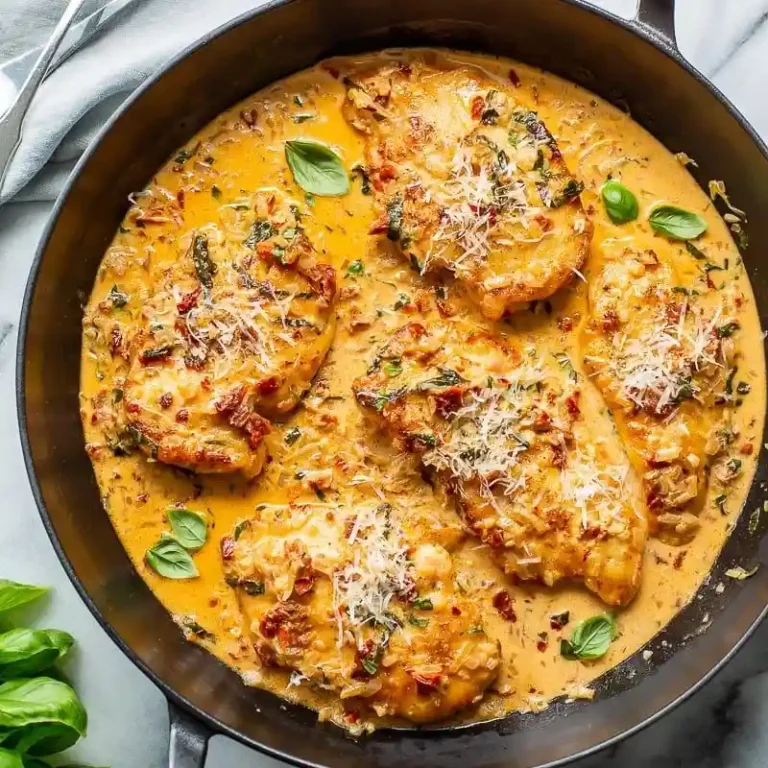
- Creamy Sun Dried Tomato Chicken
- Easy Chicken Ramen with Veggies
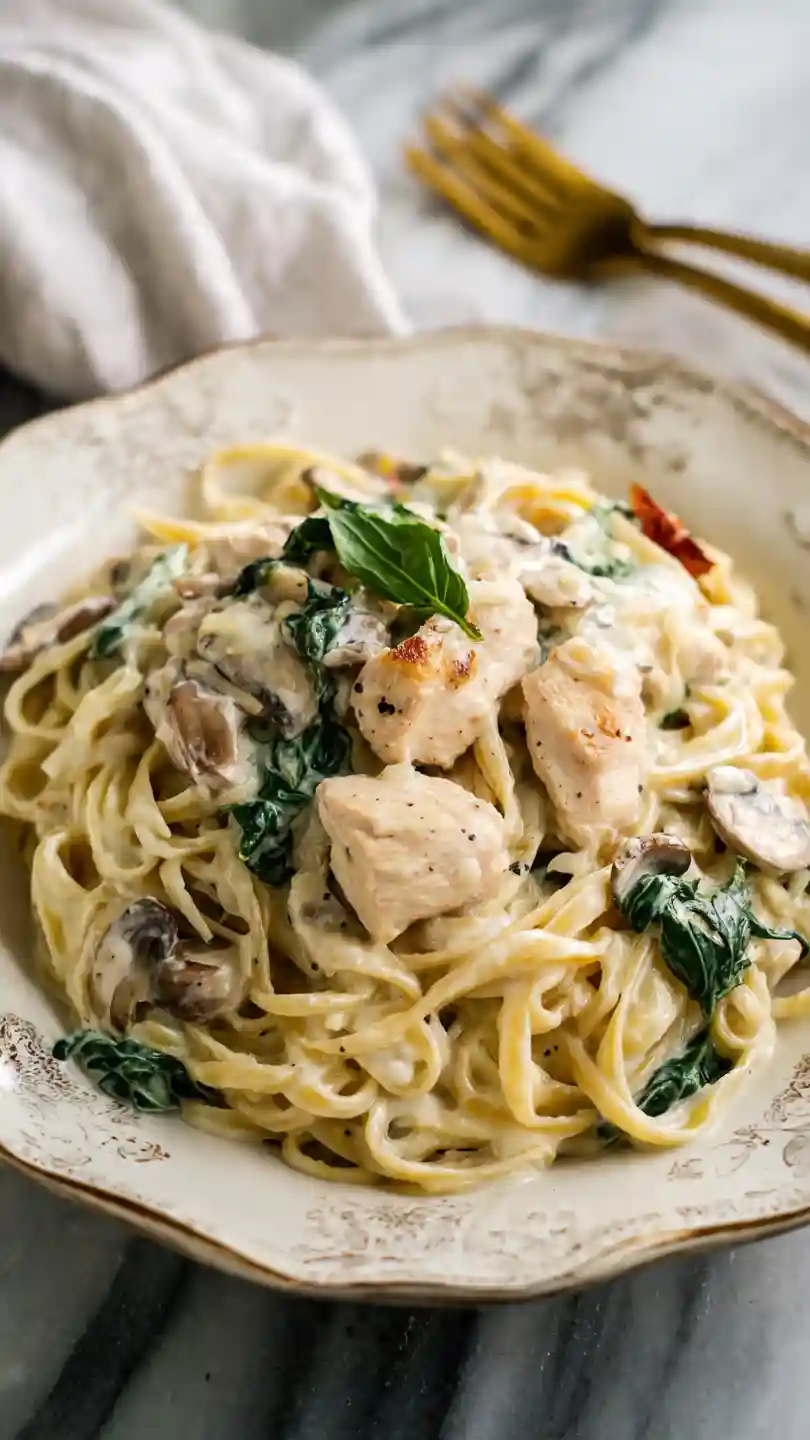
Creamy Chicken Alfredo Pasta
Ingredients
Method
- Bring a large pot of salted water to a boil. Cook pasta until al dente according to package directions.
- Reserve 1 cup pasta water, then drain the pasta.
- Pat chicken dry and season with 1/2 teaspoon salt, 1/4 teaspoon black pepper, garlic powder, and Italian seasoning.
- Heat olive oil in a large skillet over medium-high heat.
- Add chicken in a single layer and cook for 6 to 8 minutes, turning occasionally, until golden and cooked to 165°F.
- Transfer chicken to a plate.
- Reduce heat to medium-low. Add butter to the skillet.
- Add minced garlic and cook for about 30 seconds, stirring constantly.
- Pour in heavy cream and stir until warmed through. Do not boil hard.
- Add Parmesan a little at a time, stirring until melted and smooth.
- Add 1/4 cup reserved pasta water and stir until the sauce looks creamy.
- Add drained pasta and cooked chicken to the skillet. Toss until coated.
- Add more pasta water as needed to loosen the sauce.
- Taste and adjust salt and pepper.
- Garnish with parsley and extra Parmesan if desired. Serve warm.
Notes
- Freshly grated Parmesan gives the smoothest sauce.
- Do not boil the sauce after adding cheese.
- Save pasta water before draining the pasta.
- Chicken thighs can be used instead of chicken breast.
- Reheat leftovers gently with a splash of milk, cream, or broth.
Protein: 48g
Fat: 39g
Carbs: 50g